Haringey Council permit rules for large Harringay removals
If you are planning a large move in Harringay, the permit side of things can be the bit that quietly causes the most stress. The boxes are packed, the lift is booked, the van is ready - and then someone asks, "Do we actually need a permit for this?" That is exactly where the Haringey Council permit rules for large Harringay removals matter. Get them right and the day runs far more smoothly. Miss them and you could end up with delays, parking problems, or a very grumpy moving crew standing outside with a sofa and nowhere to put it.
This guide explains the practical side of permits for bigger removals in Harringay, how they tend to work in a London borough setting, what to check before moving day, and how to avoid the common mistakes that trip people up. It is written for real moves, not textbook moves - the kind where the street is narrow, the loading space is tight, and everybody seems to be trying to unload at the same time. Let's make it simpler.
Why Haringey Council permit rules for large Harringay removals matters
On a large removal day, the vehicle is rarely the only issue. Parking space, loading access, road layout, nearby restrictions, and the timing of the move all come into play. In Harringay, where streets can be busy and frontages tight, the difference between a calm move and a chaotic one is often one permit or one badly planned loading bay. That may sound dramatic, but you will notice it fast once a lorry blocks traffic or a driver has to circle for 20 minutes looking for a legal place to stop.
The point of understanding Haringey Council permit rules is not just to stay on the right side of local rules. It is to protect your moving schedule, avoid unnecessary penalties, and reduce stress for everyone involved. A permit can help you secure the right stopping arrangement, but it usually needs to be arranged in advance and matched properly to the size of the vehicle and the nature of the move.
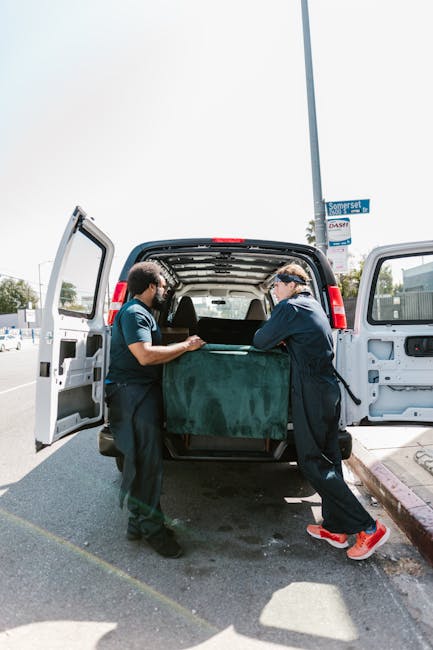
Large removals are especially sensitive because they tend to involve more time on site, more items coming out of the property, and a bigger vehicle or multiple trips. If your move includes bulky furniture, a piano, office equipment, or a full household, a quick stop-and-go approach may not cut it. That is where proper planning pays off. Truth be told, it is much easier to spend a little time sorting the permit question than to spend the morning apologising to neighbours or building managers.
For many people, this is also about confidence. A move feels better when the logistics are clear. If you are using a service such as removals or arranging a bigger vehicle through removal truck hire, permit planning should be part of the conversation from day one, not an afterthought on the eve of the move.
How Haringey Council permit rules for large Harringay removals works
The exact rules can vary depending on the street, the time of day, the type of vehicle, and whether the vehicle will be parked, loading, or waiting only briefly. In practice, permit arrangements usually revolve around three questions: where the vehicle can stop, for how long, and whether the location is legally available on your moving day.
Here is the simplest way to think about it. If a large removal vehicle needs to use controlled or restricted kerbside space in Harringay, there may be a need for a parking permit, loading permission, or another form of temporary arrangement. That does not automatically mean every move needs a council permit, but it does mean you should never assume the street will just be fine because "it looks okay". London streets have a funny way of proving people wrong.
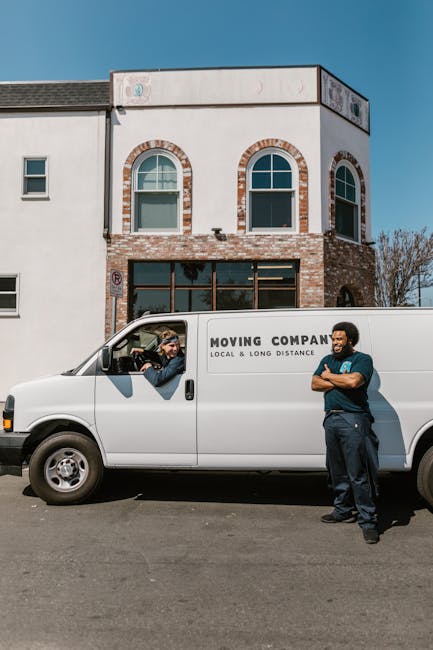
Some moves can be handled with careful loading and a smaller vehicle, while others really need a bigger van or lorry. If you are comparing vehicle types, the choice between a man with van, a removal van, or a moving truck can affect what kind of parking or loading arrangement is realistic. Bigger vehicles usually need more space and more time. Simple, but easy to overlook.
It is also worth remembering that permit rules may intersect with building rules. A council may be one part of the picture, but flats, estates, managed blocks, and commercial premises can have their own access conditions too. If you are moving from a top-floor flat, for example, you may need to coordinate lift use, loading bay access, or time slots as well as street parking. The more layers there are, the more useful advance planning becomes.
In a lot of large moves, the best approach is not to wait until the day and see what happens. It is to check the vehicle size, ask where it will stop, confirm how long loading will take, and then decide whether the move can be done with standard access or needs formal permit support. That kind of preparation takes a bit of effort, yes - but it saves a lot more later.
Key benefits and practical advantages
Getting the permit side right brings more than just compliance. It improves the whole moving experience. The benefits are practical, immediate, and very noticeable on a busy street.
- Less risk of delays: The team can load and unload without hunting for legal parking at the last minute.
- Lower chance of disruption: Fewer awkward conversations with neighbours, traffic, or building managers.
- Better use of labour: Movers spend time moving items, not waiting around while someone circles the block.
- Reduced stress: You can focus on the move itself rather than emergency problem-solving.
- Safer handling: Controlled loading often means less rushing, fewer awkward carries, and fewer chances of damage.
There is also a commercial angle. For bigger homes, shared houses, and business relocations, the wrong parking setup can turn into unnecessary cost. If a crew has to park far away, the move may take longer. If a second trip is needed because the vehicle cannot stay put, that creates friction. Good permit planning helps avoid that domino effect.
For customers using house removals or office removals, this matters even more. Large loads, heavy items, and time-sensitive schedules all put extra pressure on access. A permit, or a confirmed loading arrangement, can be the quiet little detail that keeps the rest of the day from wobbling.
Expert summary: if your move involves a bigger vehicle, a narrow street, or any kind of time-critical loading, check the parking and permit position early. It is one of those small admin tasks that has a very large effect on the day.
Who this is for and when it makes sense
Permit planning is not just for enormous commercial moves. It can matter for a surprising range of people in Harringay and across Haringey. If you are unsure whether your move falls into the "needs attention" category, look at the size, access, and timing together rather than focusing on just one factor.
You are most likely to need to think about it if you are:
- moving a full household from a street with limited parking
- relocating from or to a flat with no easy private access
- using a larger removal vehicle or truck
- moving office furniture, stock, or equipment
- dealing with bulky items such as wardrobes, beds, or a piano
- planning a same-day turnaround where timing is tight
For student moves, permit needs may be lighter if the load is smaller and the van is compact. But once you step up to a full flat, a family home, or a business relocation, the chance of needing proper access planning rises quickly. That is one reason some people choose a smaller vehicle service like man with a van for tighter streets, while others need something closer to removal truck hire for bigger loads.
It also makes sense for anyone who wants fewer moving-day surprises. That sounds obvious, but it is worth saying. If you hate last-minute admin, this is one job best handled before the boxes are stacked in the hallway and someone is asking where the kettle has gone.
Step-by-step guidance
If you want a practical way to approach Haringey Council permit rules for large Harringay removals, use this sequence. It keeps the process grounded and reduces the chance of missing an important detail.
- Assess the move size. Make a realistic list of furniture, boxes, appliances, and awkward items. A "medium" move often becomes a "large" move once the hallway is full.
- Check the access at both addresses. Look at street width, loading space, height restrictions, and whether the vehicle can stop close enough to the door.
- Choose the right vehicle. A smaller van is easier to place, while a larger truck may need more formal access planning.
- Confirm timing. Morning moves, school-run periods, and late-afternoon traffic can all affect availability and loading speed.
- Identify whether a permit or permission is needed. Some streets, bays, or controlled areas need extra arrangements. Do not guess.
- Coordinate with the moving team. If you are using removal services, give them the access details early so they can advise on the right setup.
- Check building rules too. Flats, estates, and offices may have separate instructions for lifts, reception, loading areas, or time windows.
- Build in a buffer. A move always takes a bit longer than you think. Usually. Sometimes more.
A good moving plan is a bit like a good kitchen prep: if everything is laid out early, the rest of it flows. If not, you spend half your time searching for the sharp knife or the packing tape. Same idea here, just with parking signs and a van.
For heavier or fragile belongings, it also helps to plan packing and handling in parallel. Services like packing and boxes and packing and unpacking services can reduce the load on moving day and speed up the kerbside work once access is confirmed.
Expert tips for better results
Here are the small things that tend to make the biggest difference in real life. Not glamorous, but effective.
- Measure the awkward bits. Door widths, stair turns, and lift dimensions matter as much as the van size.
- Ask about loading time honestly. If you think it will take two hours, do not schedule it as a 45-minute job.
- Use a realistic vehicle choice. Bigger is not always better. Sometimes a well-placed smaller van beats a giant truck that cannot park properly.
- Keep essentials separate. Documents, chargers, medication, keys, and one kettle box should be easy to reach.
- Plan for weather. A wet Harringay pavement in winter is not the place to discover the bubble wrap is buried under three wardrobes.
- Communicate with neighbours or building staff where needed. A little courtesy goes a long way.
One thing people often underestimate is how much smoother a move feels when the vehicle can stay close to the property. That simple detail reduces lifting distance, shortens the job, and makes the whole operation calmer. Less running back and forth. Less chaos. Better result.
If you are moving valuable or specialist items, it is also worth checking insurance and handling standards before the day. A service that takes safety seriously, such as the guidance set out in insurance and safety, should give you more confidence that the move is being managed properly.
Common mistakes to avoid
Most permit problems do not come from bad intentions. They come from people being in a hurry, assuming too much, or leaving access planning too late.
- Leaving it until the day before. This is the big one. By then, your options may be limited.
- Assuming a van can stop anywhere for a few minutes. In London, "just quickly" can still be a problem.
- Forgetting the return load. You may have a perfectly fine drop-off plan and then nowhere legal for the return collection.
- Not checking both addresses. The new place can be trickier than the old one.
- Booking the wrong vehicle size. Too small and you need extra trips; too big and access becomes a headache.
- Ignoring building rules. Particularly common with flats and managed offices.
Another subtle one: people sometimes plan the packing, but not the path. They know where the boxes are going, but not where the van is going to stand, how the sofa will turn at the landing, or where the crew will unload without blocking everyone else. It sounds minor. It rarely is.
If your move is especially time-sensitive, a same-day option may be tempting. Just make sure the access question is even clearer if you go that route. Services such as same-day removals can be useful, but they leave less room for improvisation. And improvisation is not your best friend on a restricted street.
Tools, resources and recommendations
You do not need a complicated system to manage this well. A short checklist, a floor plan, and a conversation with the mover usually go a long way. Still, a few tools and service pages can help you plan a better move.
- Move inventory list: write down the large items first, then add boxes.
- Street access notes: record parking restrictions, bay positions, and any height or width limits you spot.
- Room labels: simple labels save time when unloading.
- Storage planning: if your dates do not line up, consider storage for overflow items.
- Decluttering support: moving less is often the easiest way to make access easier.
For larger residential moves, the most relevant supporting services are often home moves and house removalists. For smaller jobs or tight streets, a compact option like man and van may fit the logistics better. If you are moving from a flat, flat removals can be the more appropriate service description to look at.
There is no magic app for every move, to be fair, but a good written plan beats memory every time. Especially when the day gets busy and someone is asking where the coffee mugs are.
Law, compliance, standards, or best practice
Because permits touch on parking, loading, and public highway use, it is sensible to treat this as a compliance issue rather than a casual admin task. You do not need to be a legal expert to get it right, but you do need to work carefully and follow the rules that apply to the location and the vehicle.
In practice, best behaviour looks like this:
- checking whether the street is controlled or restricted
- confirming whether loading is allowed at the planned time
- matching the vehicle size to the access available
- not blocking driveways, junctions, crossings, or emergency routes
- making sure any permit or permission is valid for the exact moving window
If a move involves commercial premises, shared access routes, or furniture collection on busy roads, the need for proper planning becomes even more important. That is why services such as commercial moves and office relocation services often require more detailed access coordination than a basic household job.
Practical best practice: treat the permit decision as part of the booking process. If the mover is asked early, they can usually recommend the right vehicle and timing before problems start.
Options, methods, or comparison table
Not every move needs the same setup. Here is a simple comparison that helps with planning.
| Approach | Best for | Access advantage | Potential drawback |
|---|---|---|---|
| Man and van | Smaller moves, lighter loads, tight streets | Easier to position and manoeuvre | May require more trips for larger homes |
| Removal van | Medium moves and mixed loads | Good balance of space and flexibility | Still needs sensible parking arrangements |
| Moving truck | Large households, office relocations, bulky furniture | Can carry more in one go | Harder to place in narrow or restricted streets |
| Storage-first move | Staggered dates, renovations, space pressure | Reduces time pressure on moving day | Needs an extra stage of handling |
If you are unsure which route fits your move, think less about the name and more about the actual conditions outside your door. That is the real test. A large truck can be perfect for one street and a terrible choice for another just one mile away.
Case study or real-world example
Consider a typical Harringay move on a side street with limited kerb space. The property is a first-floor flat, the occupiers have a double bed, sofa, dining table, several boxes of books, and a couple of awkward items that do not like stairwells. At first glance, it feels like a straightforward Saturday move. Then the reality lands: the road gets busy early, there is no obvious private parking, and the vehicle needs to be close enough to the entrance to keep the carry distance sensible.
In a case like that, the permit question changes everything. The moving team may decide that a smaller vehicle is the most practical option, or they may advise on a larger vehicle with a proper parking arrangement. Either way, the plan gets better once the access is confirmed. The occupants avoid the classic moving-day spiral: waiting, rushing, carrying too far, then discovering the van cannot stay where they hoped.
We have seen moves like this go from stressful to manageable with only a few early decisions. Confirm the parking arrangement. Label the boxes. Keep the heavier stuff accessible. Use the right vehicle. Nothing fancy, just good logistics. And, yes, the kettle box gets its own special status. It always should.
Practical checklist
Use this checklist before moving day. Print it, copy it into your notes app, scribble it on the back of an envelope - whatever works.
- Confirm the full move date and time window
- Check access at both properties
- Decide whether a permit or parking arrangement is needed
- Match the vehicle size to the street and the load
- Tell the mover about stairs, lifts, or long carry distances
- Separate fragile, valuable, and essential items
- Plan for building rules, estate rules, or office rules
- Set aside keys, documents, and chargers
- Keep a contact number handy on moving day
- Build in extra time for loading and unloading
If you are still sorting the moving plan, it can help to review pricing and quotes alongside the service type so you can choose the right setup for your budget and access needs. For businesses, office removals may also be more appropriate than a general household move, simply because the logistics are different.
Get a free quote today and see how much you can save.
Conclusion
Haringey Council permit rules for large Harringay removals are not something you want to leave to chance. The bigger the move, the more important it becomes to think about access, parking, timing, and vehicle size together. A little planning now can save you a full day of frustration later.
If there is one simple takeaway, it is this: do not treat the permit question as an afterthought. Treat it as part of the move itself. That one shift in mindset can make the whole day calmer, safer, and far more efficient. And honestly, once the first box is out and the van is where it should be, everything feels easier. That relief is real.
For anyone moving in Harringay, the best next step is to check the access details early, choose the right vehicle, and keep the loading plan realistic. The rest tends to fall into place much more neatly than people expect.
Frequently Asked Questions
Do I always need a council permit for a large removal in Harringay?
Not always. It depends on where the vehicle will stop, whether the street is restricted, how long loading will take, and the size of the vehicle. Some moves can be done legally without a formal permit, but you should never assume that is the case.
What counts as a large removal?
Usually it means a move with multiple rooms of furniture, many boxes, bulky items, or a vehicle large enough that parking and loading become a real planning issue. A move can also feel "large" if the access is tight, even if the item count is modest.
Can a man and van service handle permit-sensitive moves?
Yes, often it can, especially for smaller or medium-sized loads. A man and van setup is sometimes easier to place on narrow streets, but the exact fit depends on your property, the parking restrictions, and how much you are moving.
What if the street outside my home is too narrow for a big truck?
Then the vehicle choice may need to change. A smaller van, a different loading point, or a staggered move may be more realistic. This is one of the biggest reasons to plan access before booking the vehicle.
Do flats and estates have extra rules?
Very often, yes. Lifts, communal entrances, estate roads, and management instructions can all affect the move. Even if the council side is fine, the building may still have its own conditions.
How far in advance should I sort the permit question?
As early as possible. For a large move, it is sensible to raise it during the initial planning stage rather than close to the move date. That gives you time to adjust vehicle size or timing if needed.
What happens if I get the parking wrong on moving day?
You may face delays, extra carrying distance, traffic issues, or the risk of a penalty depending on the location and restriction. It can also make the move more tiring and less safe for everyone involved.
Is a bigger vehicle always better for a large move?
No. A bigger vehicle can reduce trips, but it can also be harder to park and load in a tight Harringay street. The best vehicle is the one that fits the access as well as the volume.
Should I plan for storage if my dates do not line up?
Yes, that is often a smart option. If keys, completion dates, or building access are not perfectly aligned, storage can make the whole move less pressured.
Can office moves need the same level of planning?
Absolutely. In some ways, more so. Offices often involve fixed time windows, shared buildings, and equipment that needs careful handling. That is why office relocation services are usually planned with access details from the start.
How do I know which service page to look at first?
Start with the service that matches the size and complexity of the move. For full-house moves, look at house removals. For smaller or mixed-load moves, a removal van or man with van option may be more suitable. The right page is the one that matches the real job, not just the wording.
What is the best first step if I am still unsure?
Make a quick access note for both addresses: street name, parking situation, vehicle size, and likely loading time. Once you have that, it becomes much easier to decide whether you need permit support or a different move setup. Small step, big payoff.