Health and Safety Policy for Man With Van Harringay
 At Man With Van Harringay, health and safety are at the centre of every job we complete. Our commitment is to protect our team, our customers, and the general public by maintaining safe working practices throughout each stage of a move. Whether we are handling a single item or a full property relocation, we aim to reduce risk, prevent avoidable injury, and ensure all work is carried out with care, professionalism, and attention to detail.
This policy applies to all activities involved in moving, loading, transporting, and unloading items. It covers the use of vehicles, handling of goods, temporary storage in transit, and work conducted in homes, flats, offices, and shared premises. We believe that a strong safety culture supports efficiency as well as wellbeing. For that reason, every member of the team is expected to follow safe procedures, report hazards promptly, and act responsibly at all times.
We recognise that no two moves are exactly the same. Each assignment is assessed individually so that appropriate precautions can be taken. Our approach is practical and flexible, while still being firmly based on safe manual handling, equipment checks, and clear communication. By applying sensible controls, we help ensure that each moving service is completed in a controlled and orderly manner.
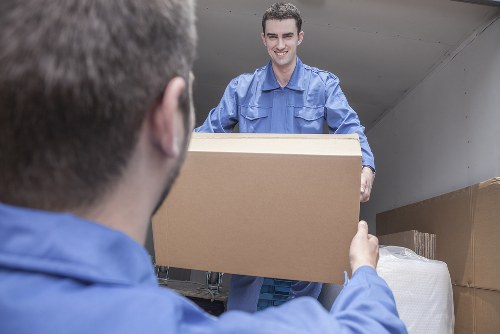 Risk assessment is an important part of our daily operations. Before work begins, we consider the size, weight, shape, and fragility of items, as well as the access routes, parking conditions, stairs, lighting, and any other factors that may affect safety. Where necessary, we adjust the team size, equipment, or sequence of tasks to reduce risk. This may include using additional lifting aids, planning a different route, or setting aside more time for careful movement of items.
Man With Van Harringay requires all team members to wear suitable clothing and footwear for the task. Protective gloves, high-visibility clothing, or other personal protective equipment may be used when appropriate. Clothing should allow freedom of movement while still offering protection from minor knocks, slips, and contact with sharp edges. In addition, vehicles and equipment are checked regularly to make sure they remain in safe working condition.
We place particular emphasis on communication, because good communication lowers the chance of mistakes. Team members are encouraged to speak clearly, confirm instructions, and raise concerns immediately if something appears unsafe. Customers may also be asked to identify items that are especially delicate, awkward, or valuable so that the correct handling method can be chosen. This practical process helps us maintain consistent safety standards throughout each job.
 Manual handling is one of the main areas of focus within this policy. Heavy or awkward objects can cause injury if lifted incorrectly, so the team is trained to assess each item before attempting to move it. We encourage lifting with the legs rather than the back, keeping loads close to the body, and avoiding twisting movements. When an item is too bulky or difficult to carry safely, we use mechanical aids or work with additional help.
Safe loading and unloading are also essential. Items are secured carefully inside the vehicle to help prevent shifting during transit. We use straps, blankets, and other protective materials where needed to minimise damage and reduce movement. Heavy items are placed in stable positions, while fragile goods are separated and handled with extra care. The aim is to create a balanced load that protects both people and property during transport.
In line with our wider safety approach, we also take care to keep work areas tidy. Obstacles, loose packaging, trailing cables, and spillage risks should be removed or reported as soon as possible. A clean workspace makes movement easier and lowers the chance of slips, trips, and falls. This is especially important in narrow hallways, stairwells, and communal areas where space is limited and visibility may be reduced.
Vehicle safety is another essential part of our policy. Our vans are maintained to a high standard and inspected regularly for roadworthiness, tyre condition, lights, brakes, and load security. Drivers are expected to follow traffic laws, drive responsibly, and plan journeys with enough time to avoid unnecessary pressure. Rest breaks and sensible scheduling help reduce fatigue, which is important for both driver safety and public safety.
We also recognise the importance of protecting customers’ belongings and the spaces we work in. Floors, walls, door frames, and lifts may be covered or protected where appropriate to reduce the risk of accidental damage. Careful positioning of items and the use of suitable lifting techniques help preserve property condition while keeping the move efficient. Our team is expected to act respectfully and professionally in every environment.
Health and safety responsibilities are shared. Managers must provide suitable equipment, clear instructions, and proper supervision, while workers must follow procedures and use equipment correctly. Any accident, near miss, or unsafe condition must be reported so that it can be reviewed and addressed. Lessons learned from incidents are used to improve future practice and strengthen our safety culture across all van and man services.
 Training and review form the final part of this policy. Staff receive guidance on lifting methods, equipment use, hazard awareness, and safe behaviour during moving operations. Training is refreshed when needed to reflect changes in working methods or equipment. We also review this policy periodically to ensure it remains effective, practical, and aligned with our day-to-day work.
Where children, pets, or other members of the public may be present, extra caution is taken. Access points should be kept clear, and moving paths should be communicated in advance where possible. The team will always work with patience and professionalism, recognising that safety depends on calm, organised actions rather than speed alone. This approach supports a reliable and responsible house move service.
 By following this health and safety policy, Man With Van Harringay aims to provide a service that is careful, dependable, and well managed. Safety is not treated as an afterthought; it is built into every stage of the moving process. Through preparation, communication, proper equipment, and responsible working practices, we help protect everyone involved while delivering a high standard of moving support.