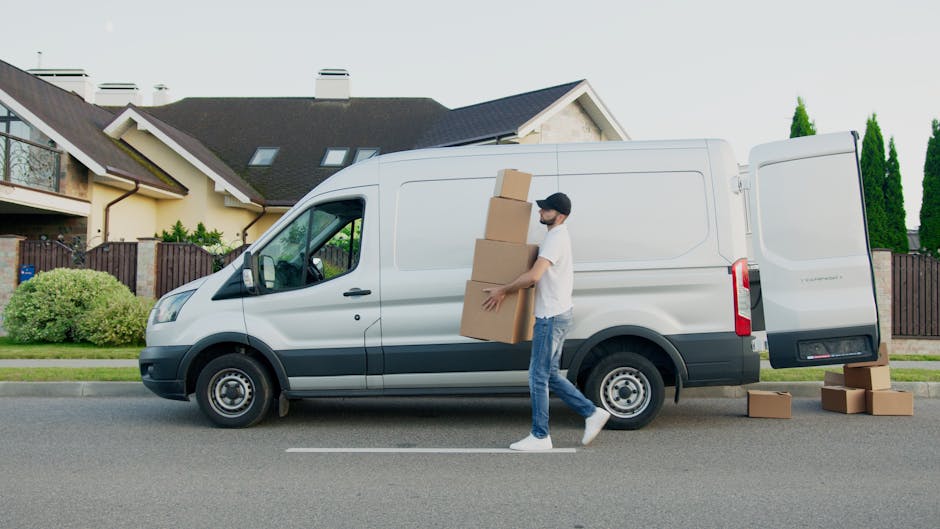
Narrow Streets and Stairs Solutions for Harringay Removals
If you are moving in Harringay, you already know the sort of challenge that can turn a simple move into a slightly sweaty puzzle: tight residential roads, parked cars, awkward stairwells, and a sofa that looks just a bit too ambitious for the landing. Narrow streets and stairs solutions for Harringay removals are all about making that puzzle manageable. Not glamorous. Just sensible, calm, and well planned.
This guide breaks down how to handle difficult access without the chaos. You will see what works, what can go wrong, and how a good moving plan protects your time, your furniture, and your nerves. If you want a move that feels organised rather than improvised, you are in the right place.
Why Narrow Streets and Stairs Solutions for Harringay Removals Matters
Harringay has plenty going for it: characterful houses, converted flats, busy high streets, and that lived-in London feel people love. But that charm often comes with access issues. Streets can be tight enough that double parking is not an option. Staircases can be steep, narrow, or split-level. Some flats have awkward turns that make a standard carry route less than ideal. You notice it quickly on moving day, usually when the first bulky item reaches the landing and everybody goes quiet for a second.
That is why access planning matters so much. A move in a difficult setting is not just about lifting things. It is about route planning, vehicle choice, item protection, timing, and communication. When these pieces fit together, the move feels controlled. When they do not, delays, damage, and stress creep in fast. Nobody wants to be standing in the rain, trying to angle a wardrobe around a banister while traffic builds behind the van.
For many local moves, the most important question is not "How much can we carry?" but "How can we carry it safely and legally?" That is the heart of a good solution. And yes, it can be done without making the day feel like an obstacle course.
It also matters because access problems affect more than furniture. They affect parking time, loading efficiency, injury risk, and whether the move finishes on schedule. If you are arranging a home move, a flat move, or even a small office relocation, this is the part that decides whether the day runs smoothly. For broader moving support, some people also look at removal services, home moves, or flat removals depending on the property type.
How Narrow Streets and Stairs Solutions for Harringay Removals Works
Good access planning starts before the van arrives. In practice, it means checking the property, identifying bottlenecks, and deciding how each item will travel from door to vehicle. A careful mover will usually ask about stair width, lift access, parking restrictions, floor level, and whether larger furniture needs dismantling. This is not overkill. It is the difference between a tidy carry and a bad day.
There are a few moving parts, if you will excuse the pun. First, the vehicle has to suit the street. A smaller van can be easier to position in a narrow road and quicker to load if parking is tight. Second, the team needs a carry plan: who lifts what, from which point, and in what order. Third, protection matters. Stair rails, door frames, and corners take a beating during rushed moves, so blankets, wraps, and corner guards should be part of the setup. Fourth, the loading sequence should prioritise awkward items first so they are not left until the end when everyone is tired.
For stair-heavy properties, the move often works better as a staged carry rather than a single push. That means taking items in smaller groups, resting safely where needed, and avoiding blind turns. It sounds slow, but it often saves time because you are not redoing damaged work. Small pauses are normal. They are fine. The trick is knowing where they belong.
In many cases, a tailored service like man with van or a more structured man and van arrangement is enough for access-restricted homes, especially if the load is moderate and the building is awkward rather than enormous. For larger or more complex moves, people may need something closer to a full-scale vehicle and planning process, such as moving truck support or a wider removals setup.
Key Benefits and Practical Advantages
The biggest benefit is obvious: less stress. But there are several more practical gains too.
- Lower damage risk: Furniture, walls, and stair rails are all better protected when the route is planned properly.
- Better time control: A move through narrow access can be slower, but it does not have to be unpredictable.
- Safer handling: Narrow stairs increase strain on people carrying heavy loads, so the right method reduces injury risk.
- Improved vehicle positioning: A smaller, well-placed van can make loading much simpler in a tight London street.
- Less disruption to neighbours: Efficient loading means less time blocking pavements or entranceways.
- More usable solution for older housing stock: Harringay has many properties where standard moving assumptions do not really apply.
There is also a psychological benefit that is easy to overlook. When the access plan is clear, everyone relaxes a little. The customer sees that the team knows what it is doing. The movers can focus on technique instead of improvising. The whole day tends to feel calmer, and honestly, that matters more than people expect.
Expert takeaway: The best narrow-street and stair solution is usually not the biggest vehicle or the fastest carry. It is the one that matches the property, the road, and the furniture on the day.
If storage is needed between moves, a service like storage can also be useful when access constraints mean not everything can be delivered in one go. That can take pressure off awkward staircases and help you move in stages instead of forcing everything through a difficult route at once.
Who This Is For and When It Makes Sense
This approach is especially useful for people moving in and around older terraced homes, maisonettes, converted flats, and buildings with narrow communal areas. It also makes sense for students, renters, and small businesses where the move is local, the schedule is tight, and access is less than perfect.
You may need this solution if:
- your street is too narrow for easy loading and unloading;
- parking is limited or controlled;
- the property has steep internal stairs;
- large items like sofas, wardrobes, or beds need careful manoeuvring;
- you are moving from or into a top-floor flat;
- you need a practical, not overcomplicated, local move;
- you want a team that can adjust rather than just turn up with a one-size-fits-all approach.
Students often underestimate the access issue. A few boxes and a desk may sound simple, but by the time you hit a narrow stairwell and a tight landing, things can get messy. That is why student removals are often best handled with a compact vehicle and a clear carry plan. Offices can be different again. Printers, chairs, and archived boxes are manageable, but only if the team plans for stair access and loading zones. For those moves, office removals or commercial moves may be the better fit.
It is also sensible when you are moving something fragile or awkward, like a piano or specialist furniture. These items do not forgive clumsy handling. If that sounds familiar, a dedicated service such as piano removals or furniture removals may be more appropriate than trying to force a standard move to do specialist work.
Step-by-Step Guidance
- Assess the access properly. Measure stair width, note tight corners, check if there is a lift, and look at the route from the vehicle to the front door. A quick phone description helps, but an on-site look is better when the move is tricky.
- List your awkward items. Sofas, wardrobes, headboards, mirrors, mattresses, desks, and white goods usually need more care. Put the difficult items first in your planning, not last.
- Choose the right vehicle size. Smaller is often better in narrow streets. You do not gain anything by bringing a huge vehicle that cannot park properly. A well-sized removal van or similar setup may be the smarter choice.
- Decide what should be dismantled. Flat-pack items, bed frames, and some wardrobes are easier and safer in pieces. Keep screws and fittings in labelled bags. It sounds boring. It saves headaches later.
- Prepare protective materials. Use blankets, wraps, tape, and corner protection where needed. Doors and banisters are usually the first things to get nicked if nobody is watching closely.
- Clear the route. Remove loose rugs, wall hooks, and clutter from stairs and hallways. That little pile of shoes by the doorway? It becomes a trip hazard in about five seconds.
- Load in the right sequence. Put essentials and fragile items where they can be reached safely. Heavy and awkward items should not be trapped behind easier boxes if there is a chance you will need to adjust the load.
- Communicate during the carry. One person should call the turns and corners. It sounds obvious, but noisy stairwells can make even simple instructions vanish into the air.
- Leave buffer time. Narrow streets and stairs almost always take longer than a standard ground-floor move. Build that into your schedule so you do not start the day in a rush.
If your move is time-sensitive, a same-day option can sometimes help, especially for smaller jobs that need flexibility. In those cases, same-day removals can be useful when the access plan is straightforward enough to execute quickly. Not every move qualifies, of course, but for a short local transfer it can be a very practical answer.
Expert Tips for Better Results
Here is the part that tends to save the most trouble in real life.
Tip 1: Do the staircase test before move day. If a sofa barely turns on the landing, you want to know that before everyone is tired and the clock is ticking. A simple measurement or quick visual check can prevent a lot of drama.
Tip 2: Protect corners early. People often think protection is something you add at the end. It is not. The damage usually happens early, on the first awkward carry. Better to be slightly over-prepared than repaint a scuffed hallway later.
Tip 3: Keep the load light where possible. Smaller boxes are much easier on stairs than oversized heavy ones. That one is so basic it sounds silly, yet it makes a huge difference. If you are packing yourself, packing and boxes guidance can help you build a safer load.
Tip 4: Use staging space wisely. In a flat with only a sliver of landing space, it helps to stage items one at a time rather than crowd the area. Less congestion means fewer mistakes and fewer bruised elbows. Human beings are not great at carrying wardrobes while politely sharing a staircase.
Tip 5: Ask for a service that matches the access, not just the item count. Two small sofas in a difficult stairwell may be more challenging than a bigger move from a ground-floor property. Access changes everything.
Tip 6: Keep essentials separate. Tea bags, chargers, documents, medications, and a change of clothes should travel with you, not disappear into the moving pile. You will be glad of that at 8 p.m. when the kettle is finally plugged in.
Tip 7: Talk about recycling and disposal early. If old furniture needs clearing, look for options that align with responsible disposal. A sensible mover will take sustainability seriously and may offer a route for recycling and sustainability alongside the move.
Common Mistakes to Avoid
The biggest mistake is assuming all removals work the same way. They really do not. A ground-floor transfer and a third-floor flat with a tight bend are different jobs.
- Underestimating access: If the street is narrow or the stairs are awkward, do not treat that as a minor detail. It changes the whole plan.
- Booking the wrong vehicle: A huge vehicle can be harder, not easier, if parking is limited.
- Leaving packing too late: Poorly packed boxes collapse more easily on stairs and make the carry slower.
- Ignoring dismantling needs: Trying to move a large bed frame intact is often a false economy.
- Not protecting the property: Hallways, paintwork, and banisters can suffer surprisingly fast.
- Forgetting building rules: Some blocks have time windows or loading expectations that need to be respected.
- Trying to rush the carry: In difficult access moves, speed without control usually creates delays later anyway.
To be fair, most of these mistakes happen because people are busy. Moving day already has enough noise in it. But the fix is simple: slow the planning down before the move so the move itself can run faster. A small bit of boring prep pays for itself many times over.
Tools, Resources and Recommendations
You do not need specialist equipment for every move, but the right tools make narrow-street and stair work far easier.
| Tool or resource | What it helps with | Best use case |
|---|---|---|
| Furniture blankets | Protects finishes and softens knocks | Sofas, tables, wardrobes, bed frames |
| Ratchet straps | Keeps items stable in the vehicle | Mixed loads and stacked furniture |
| Protective tape and wrap | Keeps drawers and doors secure | Cabinets, desks, appliances |
| Floor protection | Reduces marks in hallways and landings | Long carries through shared buildings |
| Disassembly kit | Helps with quick dismantling and reassembly | Beds, wardrobes, shelving |
| Labelled bags and boxes | Keeps fittings and essentials organised | Any move involving furniture assembly |
On the service side, it helps to understand the difference between options. A man with a van setup is often flexible and practical for smaller or awkward local moves. A more complete package may be better if you need packing support, furniture handling, or a larger vehicle. If you want items packed before the move, packing and unpacking services can reduce pressure a lot, especially in a property with very little staircase space to spare.
You may also want to review service information such as insurance and safety if you are moving valuable furniture or fragile items. It is one of those things people are glad to have checked in advance, not after the fact.
Law, Compliance, Standards, or Best Practice
For difficult access removals, the most relevant "compliance" questions are usually practical rather than dramatic. In the UK, movers and customers should think carefully about safe manual handling, access rights, parking restrictions, and building rules. You do not need a law lecture, but you do need common sense and a sensible process.
Manual handling matters because stairs increase strain, especially with bulky or awkward items. A good moving team should avoid unsafe lifts, use team carries where needed, and reduce the chance of injury by planning the route properly. That is plain best practice, not a fancy extra.
Parking and loading can also be an issue. Some streets require careful timing, consideration for neighbours, or alternative parking arrangements. In a busy local area, it helps to think ahead about how the van will stop, how long loading may take, and whether the move should happen in a quieter window.
For flats and shared buildings, keep in mind any house rules or access instructions from the landlord or managing agent. Lift booking slots, protective coverings, and quiet-hour expectations can all affect the move. It is one of those dull details that can save the day.
If you are booking a service, it is also wise to review the provider's terms and conditions and health and safety policy. Those pages should tell you how the business approaches risk, customer responsibilities, and what is expected on move day. None of this is exciting, but it is the kind of boring that protects you.
Options, Methods, or Comparison Table
Different access problems need different solutions. Here is a straightforward comparison to help you choose the right approach.
| Method | Best for | Strengths | Limitations |
|---|---|---|---|
| Small van and planned carry | Narrow streets and modest loads | Easy parking, flexible, efficient | Not ideal for very large furniture sets |
| Van plus dismantling | Large items with tight stair access | Increases the chance items fit safely | Needs extra time and careful reassembly |
| Staged move with storage | Moves split across dates or floors | Reduces pressure on access routes | More handling if poorly organised |
| Specialist furniture handling | Fragile, heavy, or valuable items | Safer for awkward objects | Usually needs more planning and cost |
For most Harringay homes, a compact and careful approach wins. It keeps the move realistic. A giant truck might look impressive, but if it cannot stop close to the property, it creates more work than it solves. In removals, the flashiest option is rarely the smartest one.
Case Study or Real-World Example
Picture a typical Harringay flat move. First-floor conversion. Narrow road. Parking already half taken by residents. A sofa that turns out to be wider than the staircase landing suggests. Nothing dramatic, just enough friction to make the day interesting.
The move works best when the team checks the access in advance, arrives with a suitably sized vehicle, and handles the heaviest furniture first. The sofa is measured against the turn. It does not fit upright, so it is wrapped, angled, and carried by two people with a clear call at the landing. The bed frame is dismantled before loading. Boxes are grouped by weight so the staircase never becomes overloaded with heavy items at once.
The result? Fewer pauses, less damage risk, and no panic. The whole thing still takes effort, of course. Moving always does. But instead of becoming a scramble, it remains a managed job. That is the difference access planning makes. Small details, big payoff.
A similar logic applies to larger family homes, where house removals or support from house removalists may be appropriate if multiple floors and bulky furniture are involved. For smaller local relocations, a more flexible man with van setup often makes the most sense.
Practical Checklist
- Measure stair width, turns, and landing space.
- Check parking access and likely stopping points.
- List bulky, fragile, and awkward items separately.
- Decide what should be dismantled before the move.
- Prepare blankets, wrap, straps, and tape.
- Label boxes clearly and keep heavy items in smaller boxes.
- Protect hallways, banisters, and door frames where needed.
- Keep essentials and documents with you.
- Confirm the building's access rules or timing limits.
- Leave extra time for loading, stairs, and traffic.
- Review safety, insurance, and terms before booking.
- Arrange storage if the new property is not ready.
If you can tick most of these off, you are already ahead of the game.
Conclusion
Narrow streets and stairs do not have to turn a Harringay move into a headache. With the right planning, the right vehicle, and the right handling method, difficult access becomes a normal part of the job rather than a crisis. The key is to respect the constraints early. Once you do that, everything else gets easier.
The best moves in tight London spaces are rarely the loudest or most complicated. They are the ones where someone stopped, looked properly, and built the plan around the property instead of guessing. That simple shift can save time, reduce damage, and make move day feel surprisingly calm. Not effortless. Just calm enough.
Get a free quote today and see how much you can save.
Frequently Asked Questions
How do you move furniture in narrow stairs safely?
You plan the route first, protect the walls and rails, and carry in a controlled way with enough people for the item. Large pieces are often easier if they are dismantled before moving.
What is the best vehicle for narrow streets in Harringay?
Usually a smaller, well-positioned van works better than a large vehicle. It is easier to park close to the property, which saves time and reduces strain on the carry.
Can a sofa be moved up or down a tight staircase?
Often yes, but it depends on the dimensions of the staircase, the landing, and the sofa itself. Sometimes the better answer is to remove the legs, wrap it properly, or take it apart if the design allows.
Do I need to dismantle my bed before moving?
In many Harringay flats and houses, yes, at least partially. Bed frames are usually much easier to move in pieces, especially if the stairwell is narrow or has a sharp turn.
How much extra time do narrow streets and stairs add to a move?
It varies a lot. Access difficulty, parking distance, and the number of bulky items all affect timing. A careful mover will normally build in a buffer rather than promise a perfect clock time.
Is storage useful if the property access is very difficult?
Yes, sometimes. If not everything can go in at once, storage can let you split the move into stages and avoid forcing too much through a tricky route on the same day.
What should I tell the removal team before booking?
Tell them about stairs, street width, parking, lift access, floor level, and any very large or fragile items. The more honest the details, the better the plan will be.
Are packing services worth it for difficult access moves?
They often are. Well-packed boxes are safer to carry on stairs, and professional packing can reduce the chance of items shifting or breaking during a tight move.
What if my building has awkward communal stairs or a shared entrance?
That is common in converted flats and older buildings. The move should be planned with extra care for shared areas, possible neighbour disruption, and any building rules.
Can same-day removals work for a stair-heavy property?
Sometimes, yes. If the load is manageable and the access is understood in advance, a same-day booking can work well. If the property is very difficult, more planning is usually wiser.
How do I avoid damage to my hallway or banister?
Use protection early, not after damage starts. Cover vulnerable corners, keep the route clear, and make sure the carry team moves slowly around tight turns.
What type of move is best for a top-floor flat in Harringay?
A compact, well-planned flat move is usually best. Services like flat removals or flexible removal van options are often more practical than trying to use a bigger vehicle that cannot get close enough.
Where can I find more details about service quality and expectations?
Check the company's about information, safety pages, pricing guidance, and policy pages before booking. For example, about us, pricing and quotes, and insurance and safety are all useful starting points.
A careful move in a tricky street can still feel oddly satisfying. A bit of planning, a bit of patience, and suddenly the whole thing is just a job well done.